
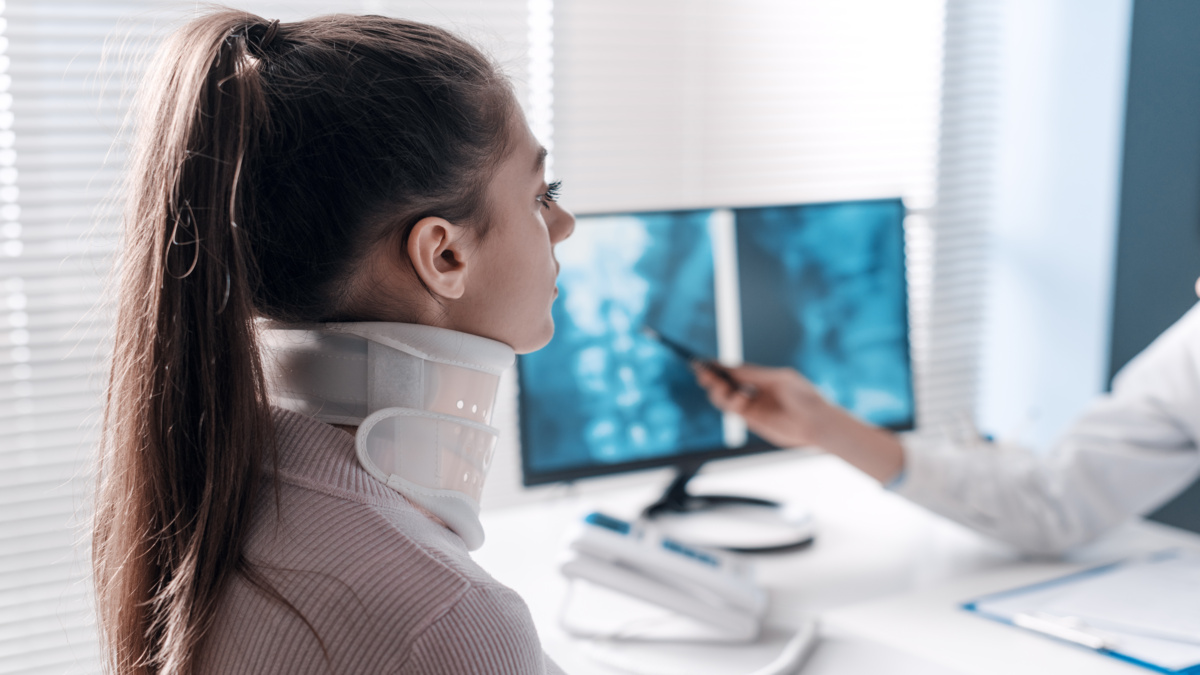
A lot of people walk away from a car crash feeling fine, only to wake up days later in serious pain. That delayed onset is one of the most misunderstood parts of auto accident injuries, and it causes many people to skip the care they actually need. Seeing a chiropractor after a car accident is one of the most important steps you can take, and knowing when to go can protect both your health and your legal rights.
Why Car Accident Injuries Often Go Unnoticed
When your body experiences trauma, adrenaline floods your system. That response masks pain signals, which means you can feel completely normal for hours or even days after a collision.
Soft tissue injuries, spinal misalignments, and nerve compression do not always appear on X-rays right away. Waiting too long to seek treatment can turn a manageable injury into a chronic problem, and it can weaken your personal injury claim if you need one.
Key Takeaway: The 72-hour window after an accident is critical. Getting evaluated early gives your body the best chance at a full recovery.
Physical Signs You Need to See a Chiropractor After a Car Accident
These are the most common and recognizable symptoms following a collision.
Sign #1 – Neck Pain or Whiplash Symptoms
Whiplash is the most frequent injury we see after rear-end collisions. You may feel stiffness, soreness, or difficulty turning your head. These symptoms can appear within hours or take a few days to develop.
Sign #2 – Lower or Upper Back Pain
The force of impact puts enormous stress on the spine. Back pain after a crash often points to herniated discs, muscle strain, or vertebral misalignment that needs professional correction.
Sign #3 – Stiffness or Limited Range of Motion
If bending, turning, or reaching feels restricted, your joints and surrounding soft tissues may have sustained trauma. This is a common sign that spinal alignment is off.
Sign #4 – Shoulder Pain or Tightness
Shoulder pain after a crash is frequently linked to seatbelt trauma or spinal nerve irritation. Left untreated, it can develop into a rotator cuff problem.
Sign #5 – Numbness, Tingling, or Weakness in the Limbs
These sensations typically indicate nerve compression or a herniated disc. If you feel shooting pain down your arm or leg, do not wait to be evaluated.
Sign #6 – Jaw Pain or TMJ Dysfunction
The sudden jolt of impact can cause the jaw joint to shift out of alignment. TMJ dysfunction following a collision is more common than most people expect.
Pro Tip: If you have more than one of these physical symptoms at the same time, that is a strong signal your spine and soft tissues need professional attention soon.
Neurological and Head-Related Signs You Should Not Ignore
Sign #7 – Persistent Headaches
Post-accident headaches often stem from neck tension, nerve irritation, or spinal misalignment rather than a direct blow to the head. They tend to start at the base of the skull and radiate forward.
Sign #8 – Dizziness or Balance Issues
Vertigo and balance problems after a collision may be connected to cervical spine injuries that affect the vestibular system. Chiropractic care can help address the root cause rather than just the symptom.
Sign #9 – Blurred Vision or Ringing in the Ears
These symptoms can signal concussion or nerve involvement in the upper cervical spine. Always mention them during your intake evaluation.
Sign #10 – Difficulty Concentrating or Memory Issues
Brain fog after an accident is real. It can stem from mild traumatic brain injury, disrupted sleep, or nervous system stress. Our team takes these complaints seriously from the first visit.
Systemic and Delayed Signs That Are Easy to Miss
Some of the most telling signs appear days after the accident, once the adrenaline has fully worn off.
Sign #11 – Unusual Fatigue or Low Energy
Your body burns significant energy healing itself after trauma. Persistent exhaustion after a crash is often the first sign that something deeper is going on.
Sign #12 – Sleep Disturbances or Insomnia
Pain and nervous system disruption make quality sleep difficult. Poor sleep then slows the healing process, creating a cycle that is hard to break without proper treatment.
Sign #13 – Mood Changes, Anxiety, or Irritability
Emotional shifts after trauma are not purely psychological. Chronic pain and nervous system stress directly affect mood regulation. Chiropractic adjustments can help restore balance to the nervous system.
Sign #14 – Abdominal Pain or Bloating
Soft tissue injuries in the torso can cause referred pain and digestive disruption. This symptom is often overlooked but should always be assessed.
Sign #15 – Pain That Worsens Days After the Accident
If your discomfort is worsening rather than improving, that is a clear signal that your injury requires professional care. Worsening pain is not a normal part of recovery.
Key Takeaway: Delayed symptoms are just as serious as immediate ones. Feeling okay at the scene does not mean you are uninjured.
Were you recently in an accident? Contact Raintree Medical and Chiropractic Center for a free consultation. Our team is ready to help you recover the right way.
How Soon Should You See a Chiropractor After a Car Accident?
We recommend seeing a chiropractor after a car accident within 24 to 72 hours of your collision. The sooner injuries are identified, the more treatment options are available and the better your recovery timeline looks.
Most insurance policies also require timely medical documentation. Waiting weeks to seek care can complicate or limit your claim.
Will Insurance Cover Chiropractic Care After a Car Accident?
In most cases, yes. Seeing a chiropractor after a car accident is typically covered under personal injury protection (PIP) and medical payments (MedPay) coverage. We work with many insurance providers and can walk you through your benefits before your first appointment.
What the Research Says About Chiropractic Care vs. Waiting
Delaying treatment is one of the most common mistakes after a collision. Once pain fully sets in, the injury has often already progressed past its most treatable stage.
Clinical evidence and patient outcomes show that early chiropractic care leads to faster recovery and lowers the risk of injuries becoming chronic. Timely care also creates a documented medical record that connects your injuries to the accident, which matters when dealing with insurance or a personal injury claim.
Key Takeaway: Early care protects your long-term health and supports any legal or insurance process that follows.
See a Chiropractor After a Car Accident Before It Gets Worse
If any of these signs sound familiar, your body is asking for help. At Raintree Medical and Chiropractic Center, we specialize in accident recovery and build every treatment plan around your specific injuries, not a generic protocol.
Do not let a delayed injury turn into a long-term problem. Schedule your evaluation today with a trusted car accident chiropractor at Raintree Medical and Chiropractic Center.